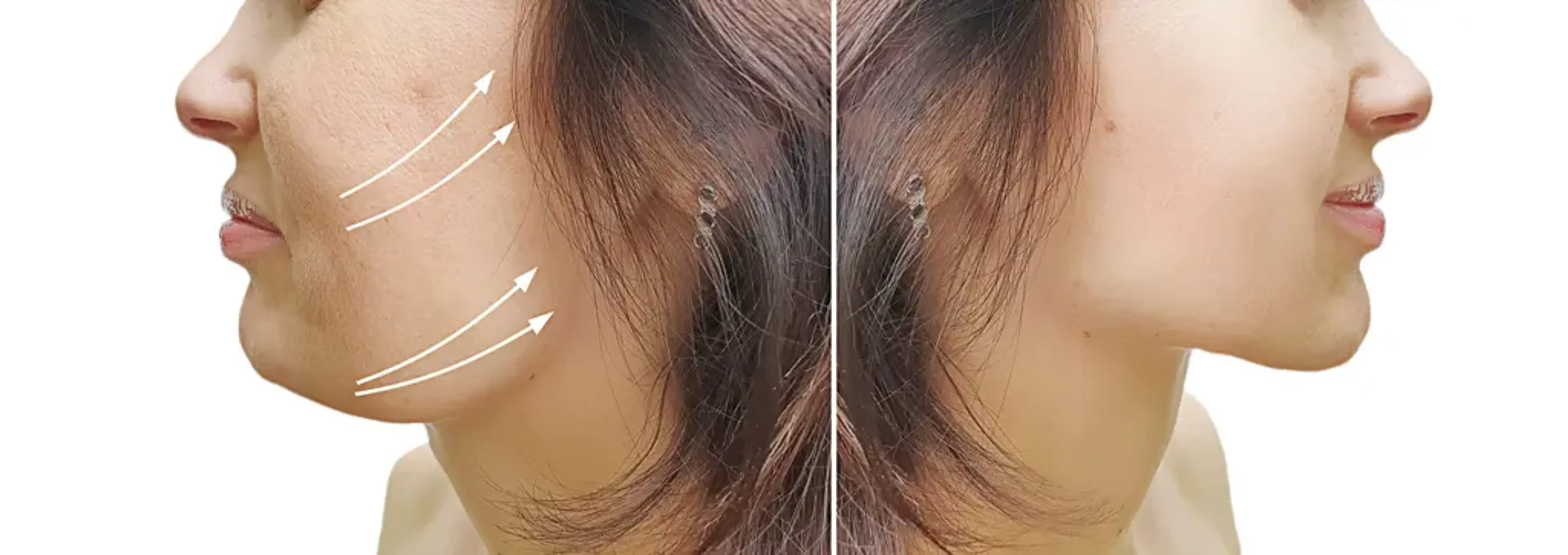
Understanding Elasticity & Lifting Lasers for Skin Tightening

understanding-elasticity-and-lifting-lasers-for-skin-tightening
Maintaining firm, youthful skin is closely linked to the body’s ability to preserve collagen and elastin, two structural proteins responsible for skin strength and elasticity. As these components naturally decline with age, many individuals begin to notice sagging, fine lines, and reduced skin resilience. At Maylin Cheongdam, located in Cheongdam-dong (432, Apgujeong-ro), Gangnam-gu, Seoul, advanced elasticity-focused and lifting laser treatments are used as part of a medically guided approach to skin tightening and rejuvenation under the leadership of Hyun Jun Park.

This article provides a comprehensive, patient-focused overview of how elasticity and lifting lasers work, who may benefit, and what to expect from treatment.


Condition Overview: Why Skin Loses Elasticity

condition-overview:-why-skin-loses-elasticity

Skin elasticity refers to the ability of the skin to stretch and return to its original shape. This function depends largely on collagen fibers for structure and elastin fibers for flexibility.

Several factors contribute to the gradual loss of elasticity:

  • Intrinsic aging: Reduced collagen production begins in the mid-20s and accelerates over time
  • Photoaging: Ultraviolet (UV) exposure damages dermal structures
  • Lifestyle factors: Smoking, stress, and poor sleep can impair skin repair
  • Biological changes: Glycation and oxidative stress weaken protein integrity
At Maylin Cheongdam, this process is not viewed as purely cosmetic. Instead, it is approached as a biological aging phenomenon, requiring both external treatments and internal evaluation. This philosophy aligns with the clinic’s broader model of combining aesthetic care with longevity-focused medicine.

Treatment Explanation: How Elasticity & Lifting Lasers Work

treatment-explanation:-how-elasticity-and-lifting-lasers-work

Elasticity and lifting lasers are non-surgical technologies designed to stimulate collagen remodeling and tighten underlying tissues without incisions. These treatments typically use energy-based systems such as:

H3: High-Intensity Focused Ultrasound (HIFU)

h3:-high-intensity-focused-ultrasound-(hifu)

HIFU delivers focused ultrasound energy into deeper layers of the skin, including the superficial muscular aponeurotic system (SMAS). This layer is also targeted in surgical facelifts, making HIFU a non-invasive alternative for lifting.

H3: Radiofrequency (RF) and Laser-Based Systems

h3:-radiofrequency-(rf)-and-laser-based-systems
RF and laser devices generate controlled heat within the dermis, triggering a wound-healing response that stimulates new collagen production over time.

H3: Broadband Light (BBL) and Phototherapy

h3:-broadband-light-(bbl)-and-phototherapy

While primarily used for pigmentation and tone correction, light-based treatments also support skin quality and contribute to improved elasticity when combined with other modalities.

At Maylin Cheongdam, these technologies are not used in isolation. Instead, they are customized based on diagnostic data, ensuring that energy levels, treatment depth, and modality combinations are tailored to each patient’s skin condition and biological profile.

Candidate Suitability: Who Can Benefit?

candidate-suitability:-who-can-benefit

Elasticity and lifting laser treatments are generally suitable for individuals experiencing:

  • Mild to moderate skin laxity

  • Early signs of aging such as fine lines and sagging

  • Loss of jawline definition or cheek volume support

  • Uneven skin texture associated with collagen depletion

They may also be considered for patients who:

  • Prefer non-surgical skin tightening options
  • Are not ready for invasive procedures

  • Want gradual, natural-looking improvement

However, not all patients are ideal candidates. Individuals with severe skin laxity or certain medical conditions may require alternative or combined approaches. At Maylin Cheongdam, candidacy is determined through comprehensive consultation and diagnostic evaluation, rather than a one-size-fits-all recommendation.

Procedure Process: What to Expect

procedure-process:-what-to-expect

H3: Step 1 – Personalized Consultation & Diagnostics

h3:-step-1-personalized-consultation-and-diagnostics

Each treatment plan begins with an in-depth consultation. The clinic uses advanced diagnostic tools to assess:

  • Skin structure and elasticity

  • Glycation levels affecting collagen and elastin

  • Hormonal and immune system factors

This allows clinicians to identify not only visible concerns but also underlying contributors to skin aging.

H3: Step 2 – Treatment Planning

h3:-step-2-treatment-planning

Based on the findings, a tailored protocol is created. This may include a combination of:

  • HIFU for deep lifting

  • RF or laser therapy for collagen stimulation

  • Adjunct treatments such as polynucleotide (PDRN) therapy

H3: Step 3 – Treatment Session

h3:-step-3-treatment-session

Most elasticity and lifting laser procedures are performed in an outpatient setting and typically take 30–90 minutes, depending on the treatment area.

  • Minimal discomfort may occur, often described as a warming or tingling sensation

  • Topical anesthetic may be applied if needed

H3: Step 4 – Post-Treatment Care

h3:-step-4-post-treatment-care

Patients can usually return to daily activities shortly after treatment. Mild redness or swelling may occur but generally resolves within a few hours to days.


Doctor’s Expertise: A Research-Driven Approach

doctor's-expertise:-a-research-driven-approach


The clinical protocols at Maylin Cheongdam are guided by Hyun Jun Park, who brings over 15 years of experience in aesthetic and regenerative medicine.

His background includes:

  • Medical degree and Master’s from Hanyang University College of Medicine

  • Residency training at Hanyang University Medical Center

  • Ph.D. candidacy in Anatomy at Gachon University

  • Authorship of peer-reviewed research on HIFU, polynucleotide therapy, and skin aging

In addition to clinical practice, Dr. Park holds leadership roles in academic societies related to laser and aesthetic medicine. This dual focus on research and patient care allows the clinic to implement evidence-based treatment strategies aligned with current scientific understanding.

Hospital Strengths: A Comprehensive Revitalization Model

hospital-strengths:-a-comprehensive-revitalization-model
Maylin Cheongdam differentiates itself through an integrated approach that combines inner health optimization with external aesthetic treatment.

H3: Diagnostic-First Methodology

h3:-diagnostic-first-methodology

Rather than initiating treatment based solely on visual assessment, the clinic uses more than 20 diagnostic technologies to evaluate biological aging markers, including:

  • Autonomic nervous system function

  • Immune activity (e.g., NK cell analysis)

  • Hormonal balance

  • Glycation-related skin damage

H3: Combination Treatment Strategies

h3:-combination-treatment-strategies

Elasticity and lifting lasers are often combined with:

  • Regenerative therapies (e.g., PDRN)

  • Skin boosters for hydration and dermal support

  • Lifestyle and wellness interventions

H3: Personalized Care

h3:-personalized-care
Each patient receives a customized treatment plan, reflecting differences in genetics, lifestyle, and aging patterns.

Recovery, Safety, and Realistic Outcomes

recovery-safety-and-realistic-outcomes

H3: Recovery Timeline

h3:-recovery-timeline

Most non-surgical lifting treatments involve minimal downtime:

  • Immediate return to routine activities in many cases

  • Temporary redness or swelling may occur

  • Gradual improvement over weeks to months as collagen regenerates

H3: Safety Considerations

h3:-safety-considerations

When performed by experienced clinicians, elasticity and lifting lasers are generally safe. However, outcomes depend on:

  • Accurate energy delivery

  • Appropriate patient selection

  • Adherence to post-treatment care

At Maylin Cheongdam, safety is supported by medical supervision, diagnostic precision, and individualized protocols.

H3: Expected Results

h3:-expected-results

Patients can expect:

  • Progressive skin tightening and improved firmness

  • Enhanced skin texture and elasticity

  • Natural-looking results without abrupt changes

It is important to note that results vary and are influenced by age, skin condition, and lifestyle factors. Maintenance treatments may be recommended to sustain outcomes.


Conclusion: A Balanced Approach to Skin Tightening

conclusion:-a-balanced-approach-to-skin-tightening
Elasticity and lifting lasers represent an important advancement in non-surgical skin rejuvenation, offering a way to address early signs of aging with minimal disruption to daily life. However, effective treatment requires more than technology alone.
At Maylin Cheongdam, the integration of diagnostics, research-based protocols, and personalized care reflects a broader understanding of aging as both a biological and aesthetic process. Under the guidance of Hyun Jun Park, patients receive treatment plans designed not only to improve appearance but also to support long-term skin health.

For individuals seeking a medically grounded, patient-centered approach to skin tightening in Seoul’s Gangnam district, elasticity and lifting laser treatments at Maylin Cheongdam offer a structured and evidence-based pathway toward healthier, more resilient skin.